Section 01
Cryptocurrency
Bitcoin, Ethereum, altcoins and blockchain fundamentals
25 entries · Page 1 of 3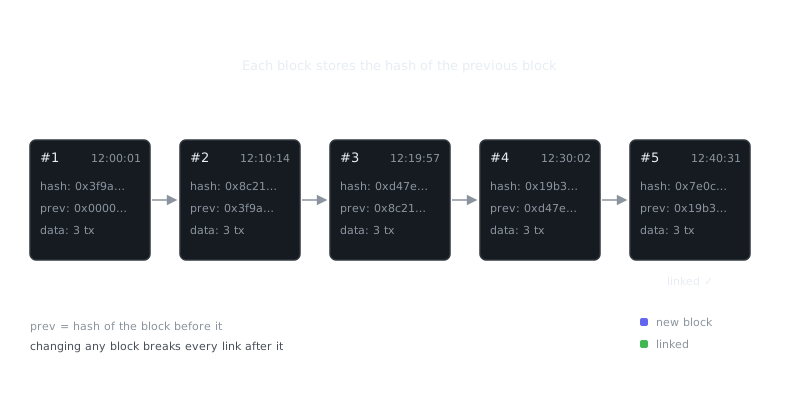
Cryptocurrency
Bitcoin Fundamentals: How the World's First Cryptocurrency Actually Works
Bitcoin is a decentralized digital currency that runs without banks or central authorities. This guide breaks down how Bitcoin works — from the blockchain and mining to wallets and transactions — so you can understand the technology behind the world's most valuable cryptocurrency.
Cryptocurrency
Ethereum and Smart Contracts: How Programmable Blockchain Works
Ethereum took Bitcoin's decentralization concept further by introducing a programmable blockchain where developers can deploy self-executing smart contracts. Launched in 2015 by Vitalik Buterin, it became the foundation for DeFi, NFTs, and decentralized apps. This guide breaks down how it all works in plain language.
Cryptocurrency
Monero Explained: How the Leading Privacy Coin Keeps Transactions Hidden
Unlike Bitcoin and most cryptocurrencies, Monero (XMR) is built from the ground up for financial privacy. Using advanced cryptographic techniques like ring signatures and stealth addresses, Monero makes transactions untraceable and wallet balances invisible. This deep dive covers how it works, why it matters, and what sets it apart.
Cryptocurrency
Litecoin and Payment Cryptocurrencies: A Practical Guide
Litecoin has been moving value quickly and cheaply since 2011, making it one of the most enduring payment-focused cryptocurrencies. Understanding how it works reveals the broader logic behind crypto built for transactions. Here's what sets payment cryptocurrencies apart and when they're worth using.
Cryptocurrency
USDT, USDC, and DAI: Which Stablecoin Should You Use?
Stablecoins offer the speed and utility of crypto without the price volatility. This guide breaks down the three biggest stablecoins — Tether (USDT), USD Coin (USDC), and DAI — comparing their backing mechanisms, transparency, and real-world use cases.
Cryptocurrency
Hot vs Cold Cryptocurrency Wallet Storage: What You Need to Know
When it comes to cryptocurrency security, how you store your private keys matters as much as what you own. Hot wallets offer convenience but come with online risks, while cold storage keeps your keys offline and out of reach. Understanding the tradeoffs is the most important security decision any crypto holder can make.
Cryptocurrency
Ledger vs Trezor: Which Hardware Wallet Should You Choose?
Hardware wallets are the gold standard for securing cryptocurrency offline. This comparison breaks down Ledger and Trezor across security, usability, and supported assets so you can choose the right cold storage device for your needs.
Cryptocurrency
Seed Phrases and Private Key Security: A Complete Guide
Cryptocurrency ownership puts you in full control — but that means full responsibility. Your assets are protected by cryptographic keys, and losing them means losing access forever. This guide explains how seed phrases and private keys work and how to keep them safe.
Cryptocurrency
Cryptocurrency Exchanges: A Complete Comparison Guide
Not all cryptocurrency exchanges are created equal. This guide compares leading platforms across fees, security, and available assets to help you find the right fit. Whether you're a first-time buyer or an active trader, the exchange you choose makes a real difference.
Cryptocurrency
The Complete Guide to P2P Cryptocurrency Trading Platforms
P2P cryptocurrency trading platforms let buyers and sellers transact directly using escrow protection, without a centralized exchange holding their funds. This model offers greater flexibility in payment methods, pricing, and counterparty selection. Learn how P2P platforms work and how to use them safely.
Cryptocurrency
Cryptocurrency Tax Basics: A Complete Beginner's Guide
Cryptocurrency taxation is now a well-defined legal obligation in most jurisdictions. Whether you're trading, using P2P platforms, or holding assets, tax authorities expect accurate reporting. This guide covers the key concepts, taxable events, and steps to stay compliant.
Cryptocurrency
Dollar Cost Averaging in Crypto: How to Build a Consistent Investment Strategy
Dollar cost averaging (DCA) is a strategy where you invest fixed amounts at regular intervals instead of going all in at once. In crypto's volatile markets, DCA removes the pressure of timing your entry and lowers your average purchase price over time. Whether you're investing $50 a week or $500 a month, consistency is what makes it work.